Dewan designs the largest water theme park in Qiddiya, KSA
Dewan is the lead design consultant for the Qiddiya Water Theme Park in KSA, which is estimated to be the biggest water park in the world.
Continue ReadingEast Aerial View
The Herding Grounds
Surf Lagoon
The water park will be at the heart of the attractions at Qiddiya, close to the country’s capital, Riyadh. The expansive project will cover 337,948 square metres of land and include 22 rides, nine of which are expected to be world-firsts. The Qiddiya Water Theme Park will have nine distinct districts inspired by native animals and habitats, including Camel Rock, the Den, the Herding Grounds and Arabian Peak.
The overall project is expected to be 137,948 square metres, which when completed will be considered the largest water park in the world. The water park is part of the overall giga-project and is budgeted to cost $750 million. Dewan Architects announced that it will use smart technologies to ensure that its operation aligns with its sustainability efforts. The architects are at the moment using environmental systems that will allow them to use 75 per cent less water than traditional practices.
They have also looked into using technologies to help reduce evaporation concerns and the subsequent wastage. Additionally, the design of the park is said to allow for state-of-the-art facilities to host world water tournaments.
Qiddiya is surrounded by nature in the heart of the Tuwaiq Escarpment Environmental Reserve. As such, Dewan is working closely with the Qiddiya Investment Company to ensure that the project is in accordance with the overall plan for the place. The design is planned around various ecosystems and therefore the architects announced that they are working with the local authorities to ensure that the environment and its natural inhabitants are protected.
Dewan is the lead design consultant for the Qiddiya Water Theme Park. The architectural firm has successfully delivered the design and is now supervising the physical construction of the development. The collaborative project includes the architects working with a team of renowned water theme park experts, ride vendors, and engineering and infrastructure professionals.
Earlier this year it was announced that ALEC Saudi Arabia Engineering and Contracting and El Seif Engineering Contracting were the contractors and build partners for the project.
We are extremely proud to contribute to Qiddiya and the Kingdom with the delivery of the design of this once in a lifetime project, The firm is fully committed to HH Mohamed Bin Salman’s 2030 vision and looks forward to further growing and developing our footprint in the Kingdom.
Dewan is the lead design consultant for the Qiddiya Water Theme Park in KSA, which is estimated to be the biggest water park in the world.
Continue ReadingFounder and Chairman of Dewan has been placed 9th in the Powerlist for the 2022 Icons of Architecture among other exceptional leaders.
Continue ReadingDubai’s first dedicated thought space and Metaverse design research lab for global architects, designers, and project managers.
Continue ReadingA social experiment for the virtual age, Dewan Architects + Engineers have envisioned a digital city as a blank canvas cultural exchange.
Continue ReadingDubai, United Arab Emirates
Hanoi, Vietnam
Hanoi, Vietnam
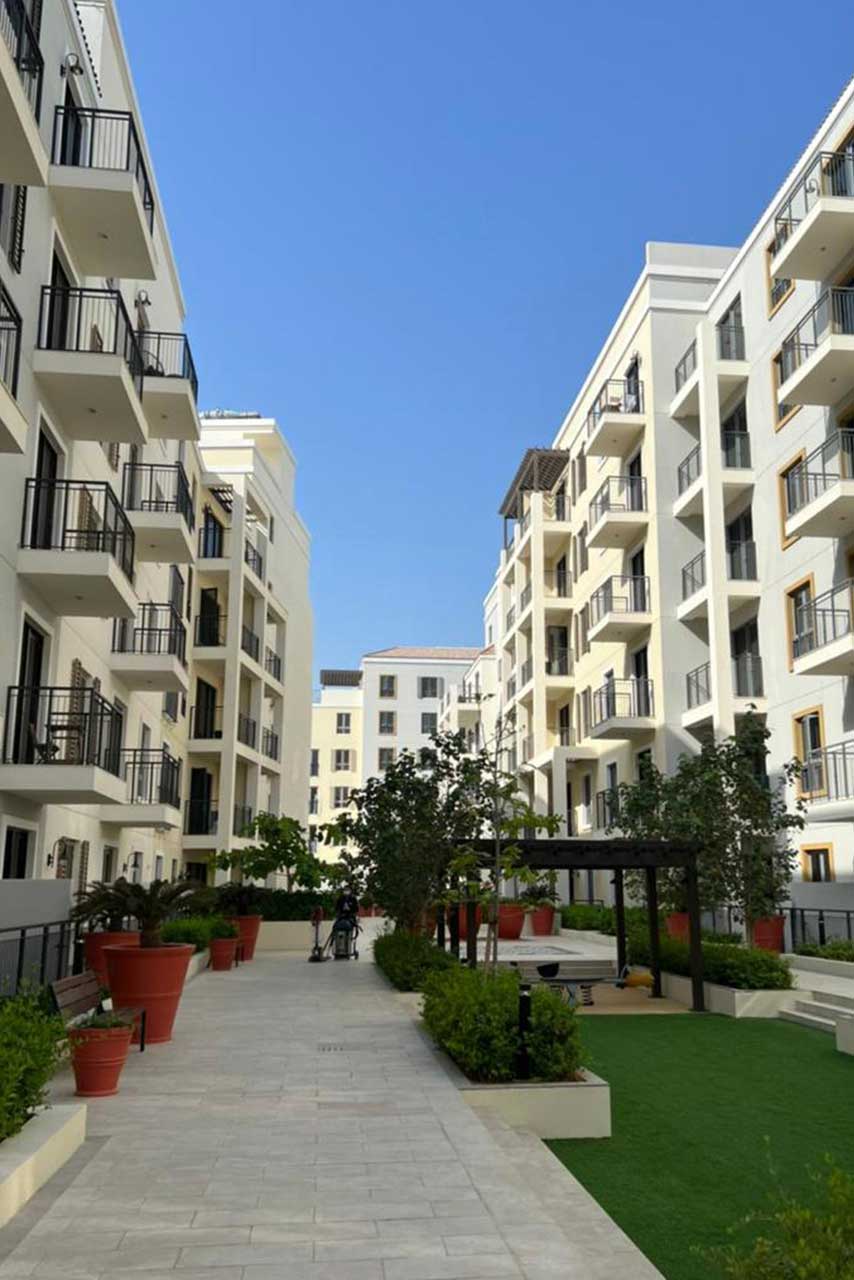
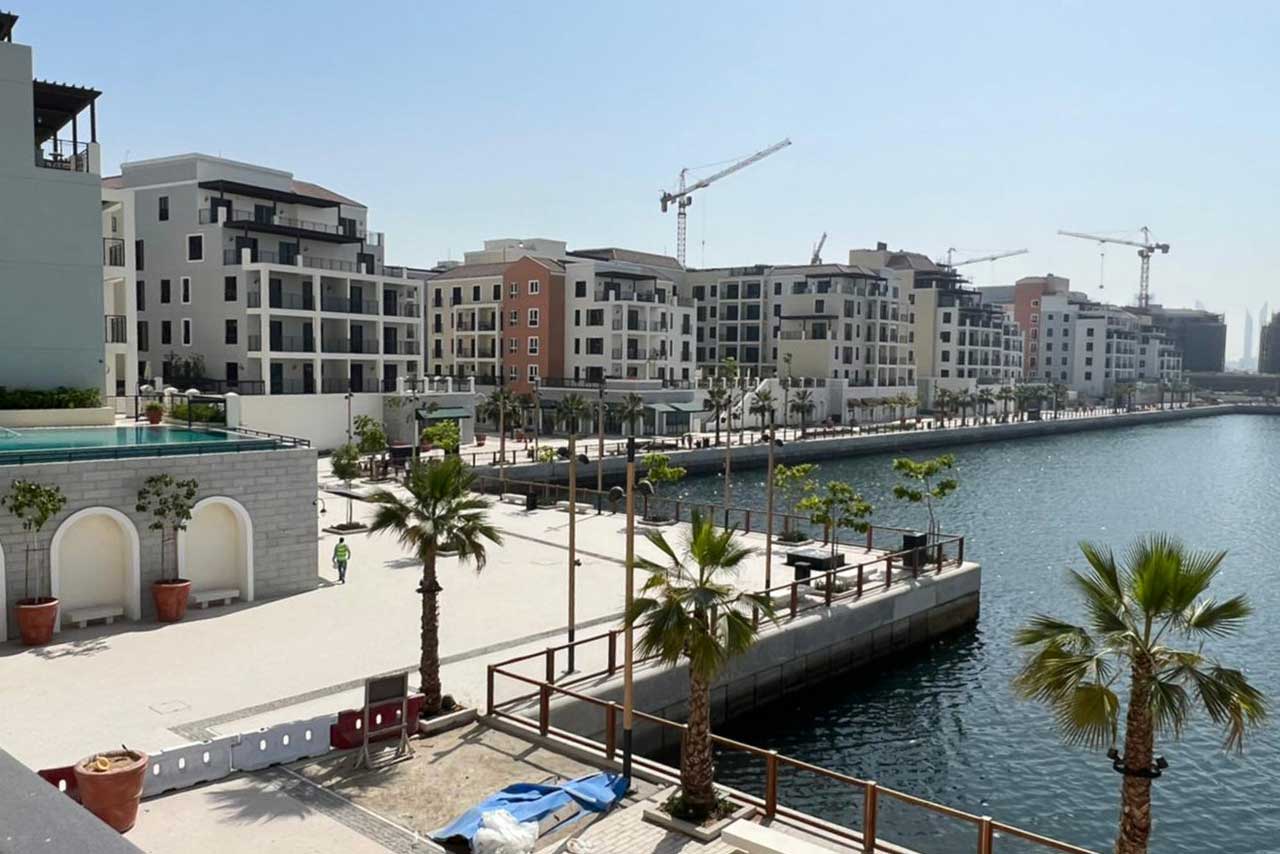
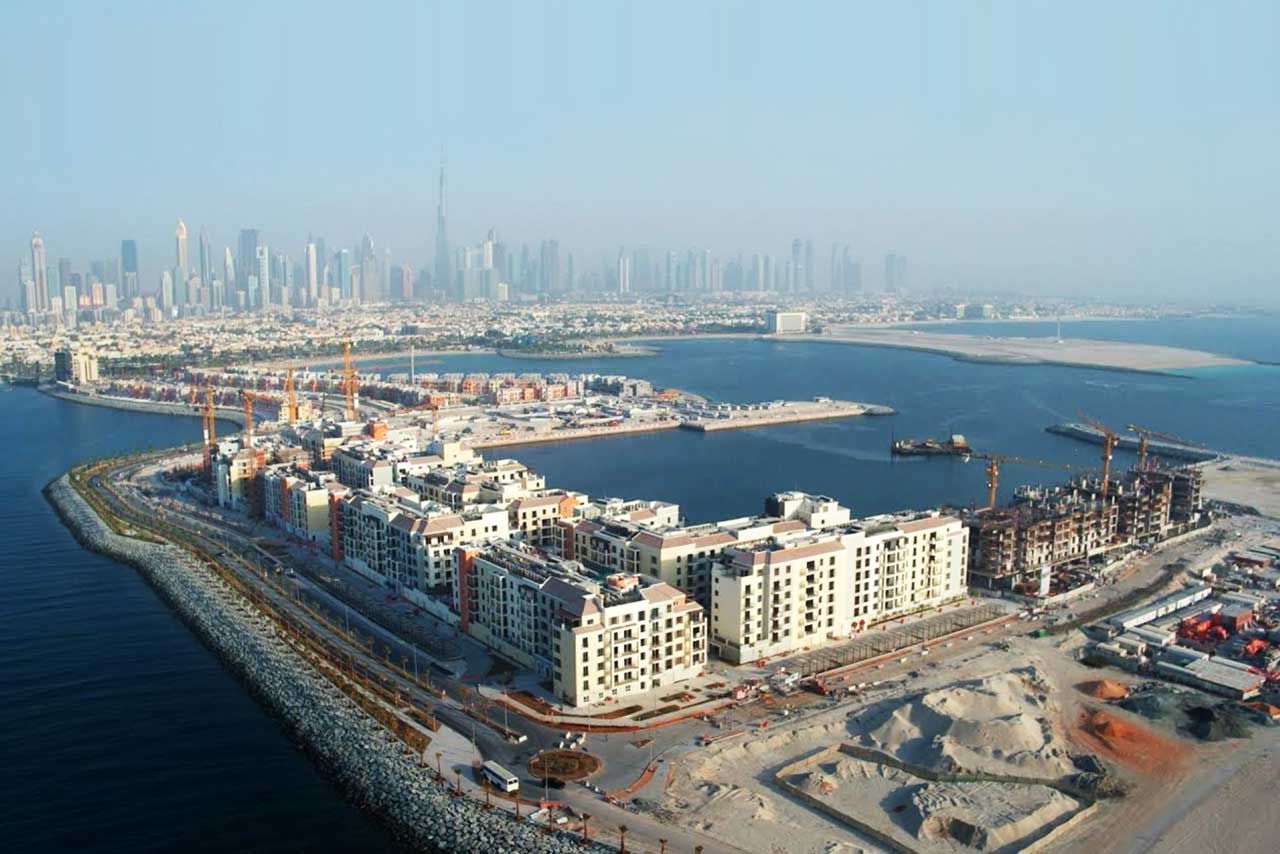
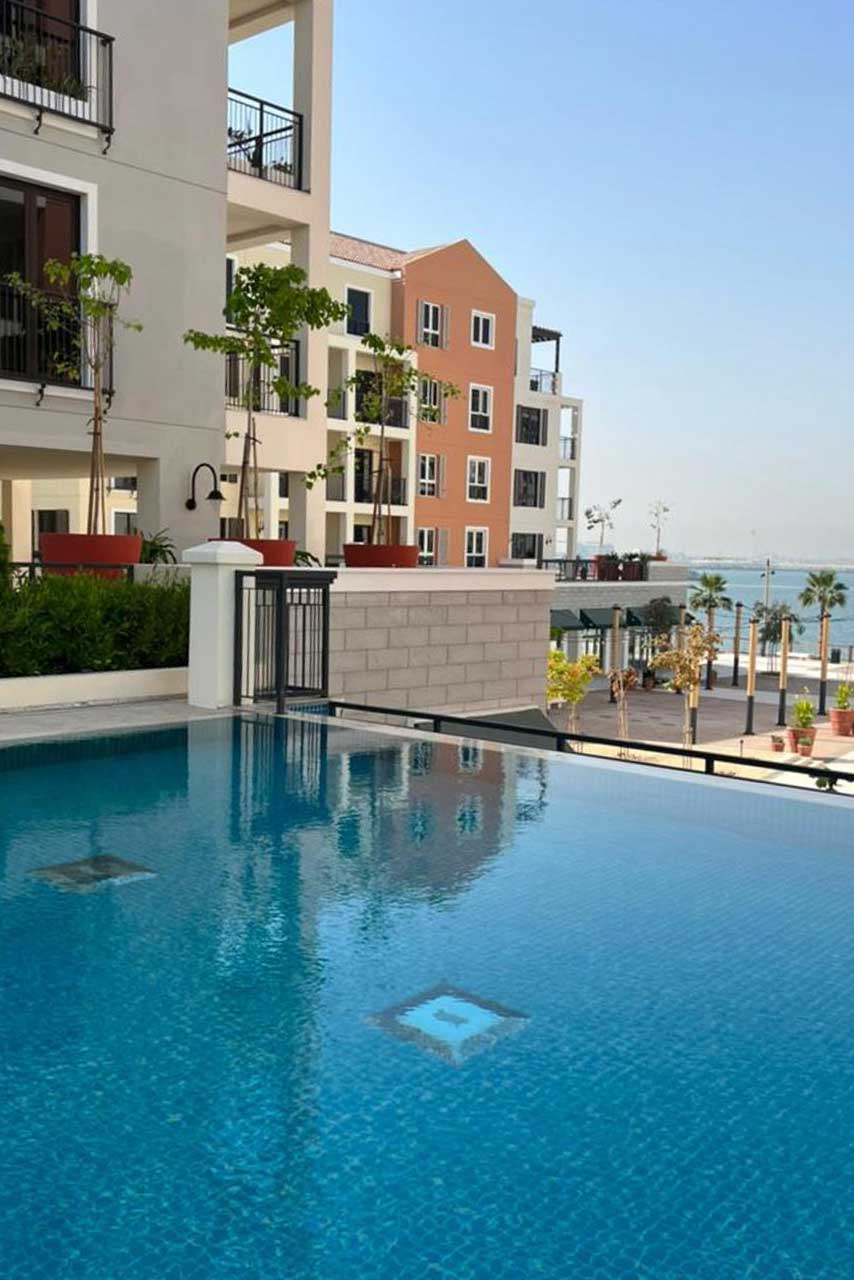
Port de la mer can be reached by road and sea, meaning residents can take in the spectacular coastline at their leisure, be at one of the city’s famous shopping malls in minutes or be boarding a flight to more than 240 destinations in next to no time. Residences at port de la mer are within 10-minutes from la mer and city walk, a lifestyle destination by meraas, with great road links to the city’s two airports.
Residential amenities including large swimming pools, a gym, beach and marina access. Hotels, retail outlets and restaurants, all conveniently nestled along the waterfront, will infuse energy and vitality to life at port de la mer. A central podium, bustling piazzas and conveniently located bridges will help knit this picturesque setting together and allow residents to move freely throughout inviting open spaces.
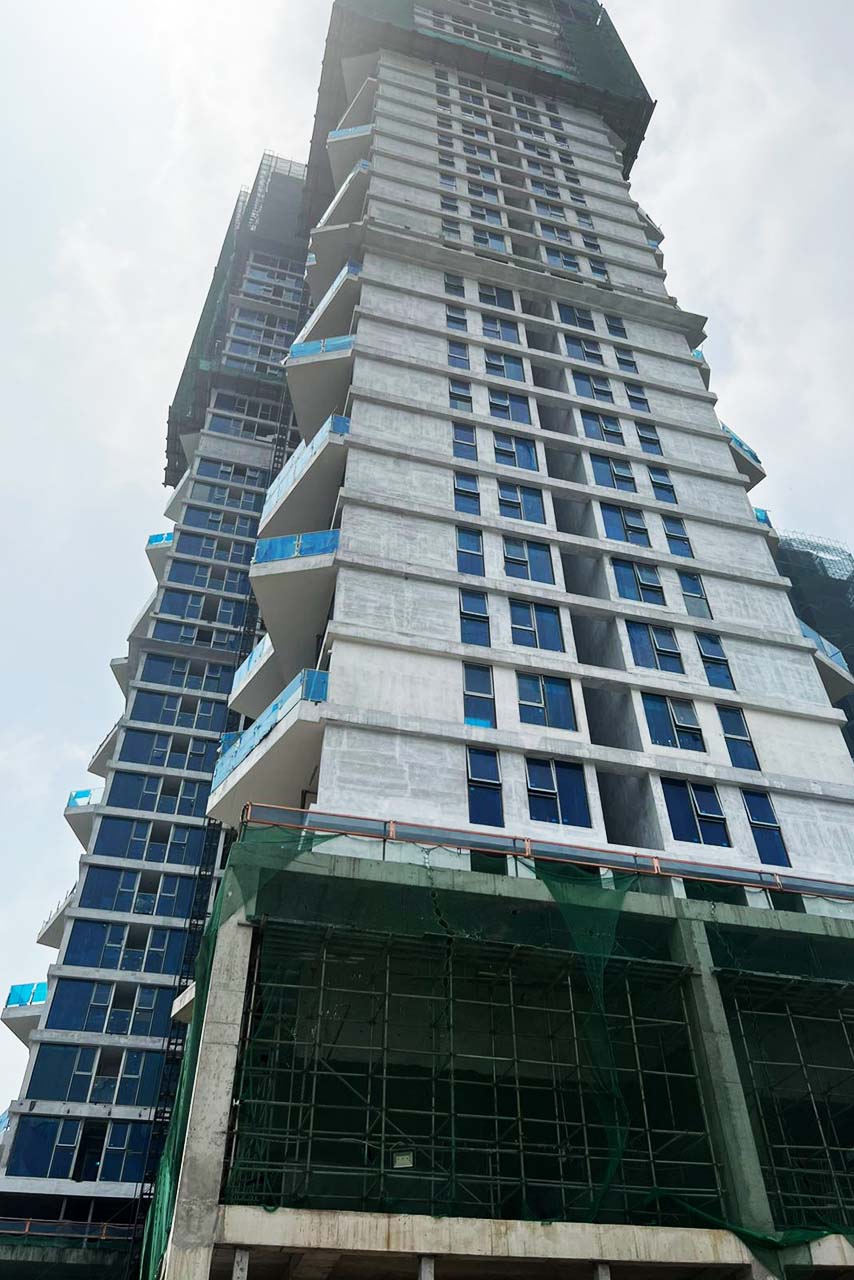
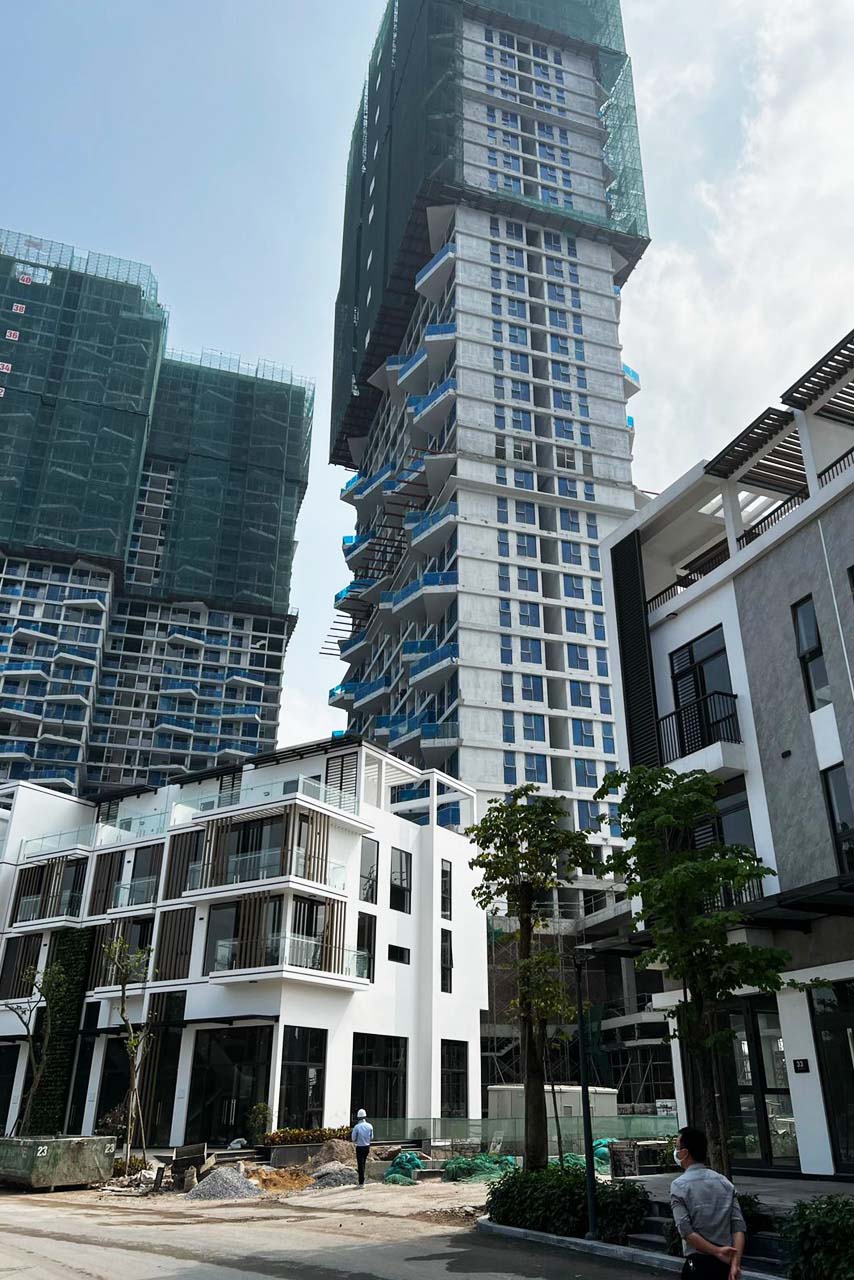
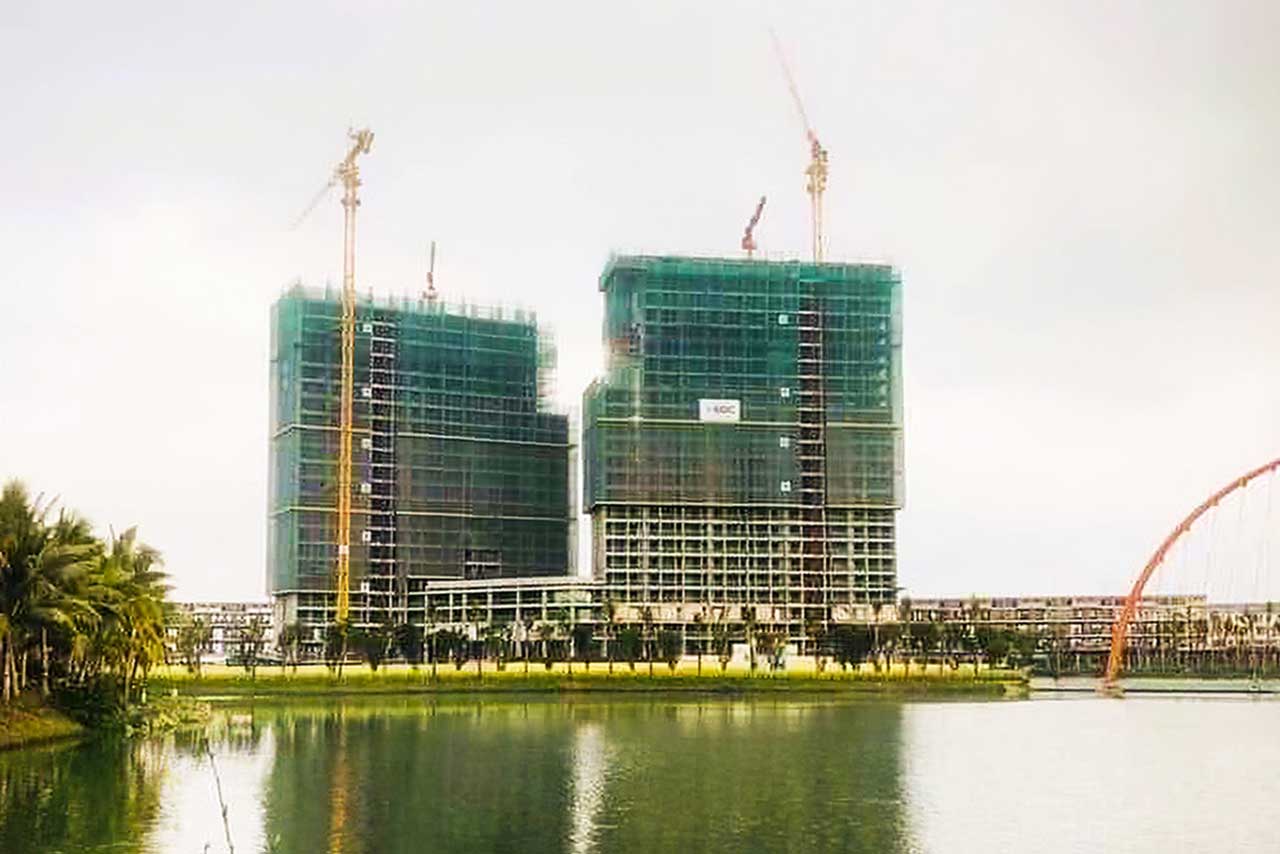
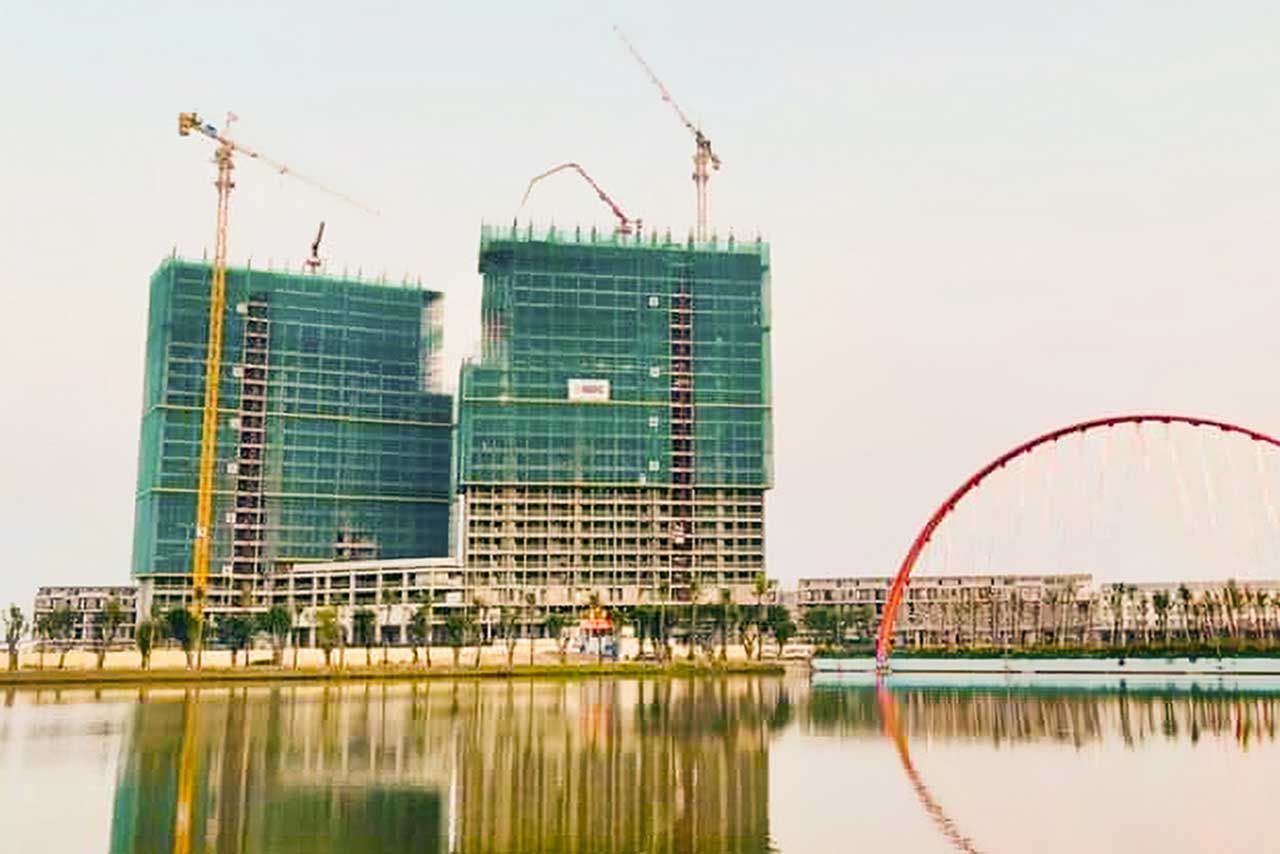
The Solforest Ecopark located in Hanoi was inspired by the Ecopark Master Plan model of green living life style and the community culture of Vietnamese cities, using this in a modern organically induced vertical garden design to, offering the users of the development many hidden gems to discover and enjoy on the plot. The two main towers with 42nd + 35th floors are generated by dynamic Vertical gardens which gives the feeling of living in the countryside and helping shade from the sun.
Nature is something miraculous that transforms the banal into something unique that attracts the attention of thousands of tourists who visit the bay every year. Our proposal aims to bring the vegetation and organicity to the building generating a unique identity. As the stone islets our building is composed of two rotated towers that are connected between them through the organic void automatically generated between them. We call this “invisible” connection as the “green frame” that we intend to be the most recognizable element of the building.
MAD will be an independent, stand-alone body of Dewan forming a think-tank and a design team committed to forging partnerships with digital creators, software firms, Metaverse developers, universities, Metaverse architects, and other related entities. Dewan Architects + Engineers imagine Dubai’s first dedicated thought space and Metaverse design research lab for global architects, designers, and project managers. Although the Metaverse is still very much in its infancy, its growth and importance can be seen with the rising number of architects/firms investing in the same. Applications to realize the full potential of this alternative digital world are being developed and evolved at a rapid pace. UAE-based firms such as 4SPACE, Roar Design and more have started selling their own NFTs while also involving in projects that explore the virtual landscape.
Powered by the motivation to explore this dynamic field, Dewan Architects set up MAD or Metaverse Architecture Department. The firm had previously launched Babel 4.0, the first architectural NFT from the Middle East. The new department will act as a design research lab for everything related to Metaverse, the internet of things (IoT), augmented reality (AR), and artificial intelligence (AI).
One of the main aims of MAD is to create and improve experiences by building Metaverse spaces as close to reality as possible to discover real-life immersive applications in the Metaverse. Dewan outlined the design capabilities of Metaverse and how it can be used to create a human-centric design. “Designing in the Metaverse is controlled, where the user journey is almost set by the designer, this can be very useful when designing in the real world as it centres more on the use rather on the aesthetics which in my opinion is one of the most important parameters of a successful building.”
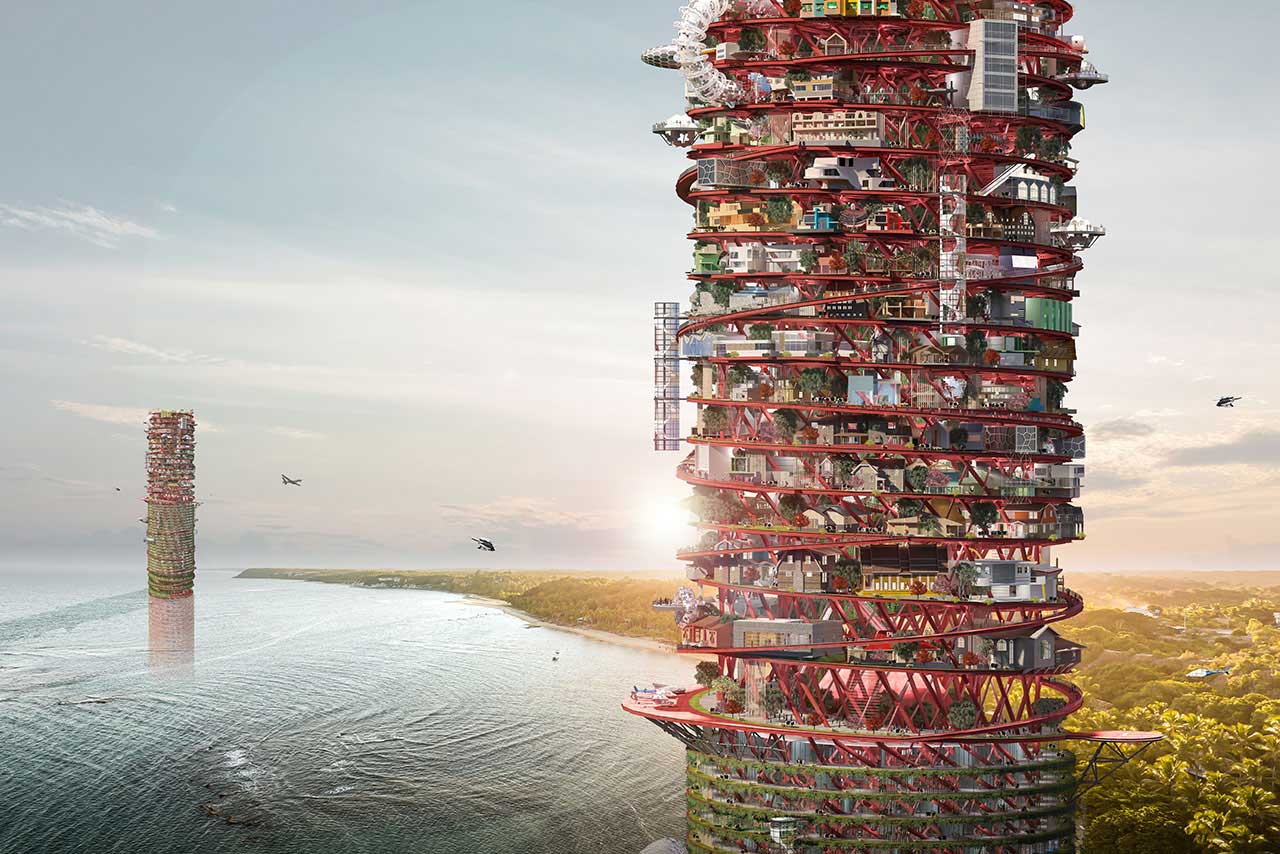
A united human race in the generations following The Atrahasis, speaking a single language, migrating westward, come to a land where they agree to build a utopian vertical city tall enough to reach the heavens and live in perpetual harmony
The infinite-helix inspired Babel 4.0 encourages visitors to explore the entire community tower. Visitors always start their journey at the arrival communal space where they make connections and initial contact with others. Travelling anticlockwise, visitors descend to exhibition and museum levels where the Babel 100 invited members can exhibit their non-fungible tokens in a virtual museum as well as ephemeral exhibitions.
Interestingly, Babel 4.0 has no owners. The plots are occupied by members that have received a donated NFT that gives them the right to be members, eager to express their culture and share their knowledge and relies solely on autonomous dialogue and exchange with other members.
Visitors can dictate how long they stay in the tower by accessing and utilizing various time zones and shortcuts. Babel has its own parliament and speaker’s corner where members discuss and share their thoughts. The information discussed and lessons learned can be used within the Metaverse but also in the real world. The extraordinary non-profit community provides scholars, architects, designers, project managers and suppliers an inspiring space to connect from around the world and exhibit and share their collective or individual findings with the rest of the world.
The human rights in Iraq still remain fragile, progress is still very slow due to the challenges facing the country, as the country continues to emerge from decades of dictatorship, war and violence.
The modern history of Iraq tells a dejected story of endless humanitarian crises, starting with the Iraq-Iran war (1980-1988) and the first Gulf War (1990), which were followed by the invasion of Iraq in 2003 and a long season of terrorist attacks by sectarian militant groups. Wars had grave consequences and negative impacts on the Iraqi community and economy. It created an environment of turmoil, lacking the very fundamentals of human rights and infrastructure.
It is estimated that since 2003, there have been over 335 billion dollars in financial losses related to conflict in terms of weapon purchases, human casualty and disability. According to START statistics, Iraq ranks first among countries that experienced the most terrorist attacks involving explosives.
A report issued by the Iraqi government in November of 2012 shows that between 2004 and 2011, there were 239,133 wounded Iraqis as a result of terrorist attacks within the country. Although the number of terrorist attacks has relatively decreased in recent years, injuries sustained, mental and emotional trauma from these attacks are long term and can affect people for their whole lives
In Iraq for every one fatality of terrorist attacks, there are approximately three injured victims – most are innocent citizens who become a soft target for militant groups. hose who survive these brutal attacks live irreparably damaged lives, often taking years to reconcile their losses and traumas and to recover from their physical and/or psychological injuries. As a result of these tragedies, there is a growing need for centres in Iraq that support an interdisciplinary course of rehabilitation, providing optimal conditions for treating survivors of terrorist attacks physically, psychologically and socially.
These centres are for rehabilitation and not medical treatment, the rehabilitation centre should feature healthy and safe environments that work positively to achieve the potential of the injured person in a way that is constructive and realistic.Rehabilitation is long term and oriented to positive life activity, and considers the whole person. The rehabilitation centre should provide extensive rehabilitation to the injured person and give them a feeling that they have control over their lives again by assisting them in better understanding, coping with, and processing the emotions and memories tied to traumatic experiences. The centre should also train the patients and build their capacity to develop their skills and confidence to rejoin society and the job market.
Participants are asked to design a rehabilitation centre for the victims of terrorist attacks in Iraq. The rehabilitation centre should provide the necessary medical care for patients while promoting a sense of safety and hope. The centre’s physical environment should not give the feeling of a clinical and a treatment institution. Indoor and outdoor spaces should encourage social interaction, sporting activities and learning. The rehabilitation centre should help reduce restrictions imposed on the physical activities of patients and enable them to enjoy the highest quality of life physically, psychologically, and socially.